How Funeral Planning May Fit Into a Utah Medicaid Spend Down
When a parent or loved one may need Medicaid to help pay for long-term care, families often have urgent questions about savings, assets, funeral expenses, and what can or cannot be set aside. For many families in Provo, Orem, Springville, Spanish Fork, American Fork, and throughout Utah County, this can feel overwhelming.
Funeral planning can be one part of a larger Medicaid planning conversation. Under Utah Medicaid rules, certain funeral, burial, cremation, and cemetery-related arrangements may be treated differently from ordinary cash or savings when they are properly structured, clearly documented, and unavailable for other personal use.
At Berg Mortuary, we help families understand funeral pre-planning options so they can make thoughtful decisions before a time of crisis. This guide explains, in general terms, how funeral planning may relate to a Utah Medicaid spend down.
What Is a Utah Medicaid Spend Down?
A Medicaid spend down generally refers to the process of reducing countable income or countable resources so a person may qualify for a Medicaid program. For seniors and individuals needing long-term care, Medicaid eligibility often depends on strict financial rules.
Not every asset is treated the same. Some resources may be countable, while others may be excluded depending on how they are owned, documented, or designated. Funeral and burial arrangements can fall into special categories under Utah Medicaid policy, but the details matter.
Families should be careful not to simply give money away to relatives. Gifts or transfers for less than fair market value may create Medicaid transfer issues or penalties. Instead, families should speak with a Medicaid eligibility worker, elder law attorney, or qualified Medicaid planner before making financial decisions.
Can Funeral Funds Be Set Aside and Still Qualify for Medicaid in Utah?
In some cases, yes. Utah Medicaid policy allows certain funeral-related resources to be excluded from countable resources when they meet specific requirements.
These may include:
- Clearly designated burial funds
- Irrevocable burial trusts
- Irrevocable, non-salable preneed funeral contracts
- Fully paid burial spaces
- Certain burial goods, cemetery items, or cremation-related items when properly purchased and documented
The key is that the arrangement must meet Utah Medicaid rules. A general savings account labeled “funeral money” may not be treated the same as a properly designated burial fund, irrevocable trust, or itemized preneed funeral contract.
Utah Burial Funds: Clearly Designated Money for Burial Expenses
Utah Medicaid policy allows a burial fund exclusion for funds that are clearly designated and set aside for burial expenses. This exclusion is limited and may be reduced if the person already has other burial resources, such as burial insurance, life insurance, an irrevocable burial trust, or an irrevocable preneed funeral contract.
Because burial fund rules interact with other funeral-related assets, families should not assume that all money set aside for funeral expenses will automatically be excluded. Documentation is important.
Examples of burial funds may include certain accounts, financial instruments, or other funds that are specifically designated for burial expenses. To be treated properly, these funds should be separated and clearly identified for that purpose.
Irrevocable Burial Trusts in Utah
An irrevocable burial trust may be treated differently from regular savings because the individual cannot change, cancel, or use the funds for other purposes during life. Utah Medicaid policy generally does not count the value of an irrevocable burial trust in the eligibility determination because those assets are not available for the person’s use.
However, families should understand that Utah has specific rules for irrevocable burial trusts. The trust must be truly restricted for burial or funeral expenses. A simple payable-on-death account is not necessarily the same thing as an irrevocable burial trust unless written provisions restrict the funds for burial or funeral expenses and direct them to a specific funeral provider.
If a burial trust includes fully paid burial spaces, those items may need to be documented separately with a deed, bill of sale, or fully paid contract.
Preneed Funeral Contracts and Why “Irrevocable” Matters
A preneed funeral contract is an agreement made in advance with a funeral home for specific funeral goods and services. This may include professional services, transportation, preparation, viewing or ceremony facilities, casket, urn, cremation services, burial-related merchandise, and other selected items.
For Medicaid planning purposes, the contract structure matters.
Utah Medicaid policy says that if a preneed funeral contract cannot be revoked and cannot be sold, or cannot be sold without significant hardship, its value may not be counted because the individual does not have access to it.
For the best documentation, the contract should list the specific funeral goods, services, burial items, cremation items, or cemetery-related items being purchased and the cost of each item. If the cost of the listed items and services equals the amount paid, that helps show that the individual received fair market value.
If money is paid into a contract but is not tied to specific itemized goods and services, the extra amount may be reviewed as a countable resource or possible transfer. This is why accurate itemization is important.
Burial Spaces and Burial Items
Utah Medicaid policy also has a burial space exclusion. Fully paid burial spaces that the individual owns may be excluded regardless of value. A fully paid written agreement or contract for the purchase of a burial space may also qualify.
Burial spaces and burial-related items may include things such as:
- Cemetery plots
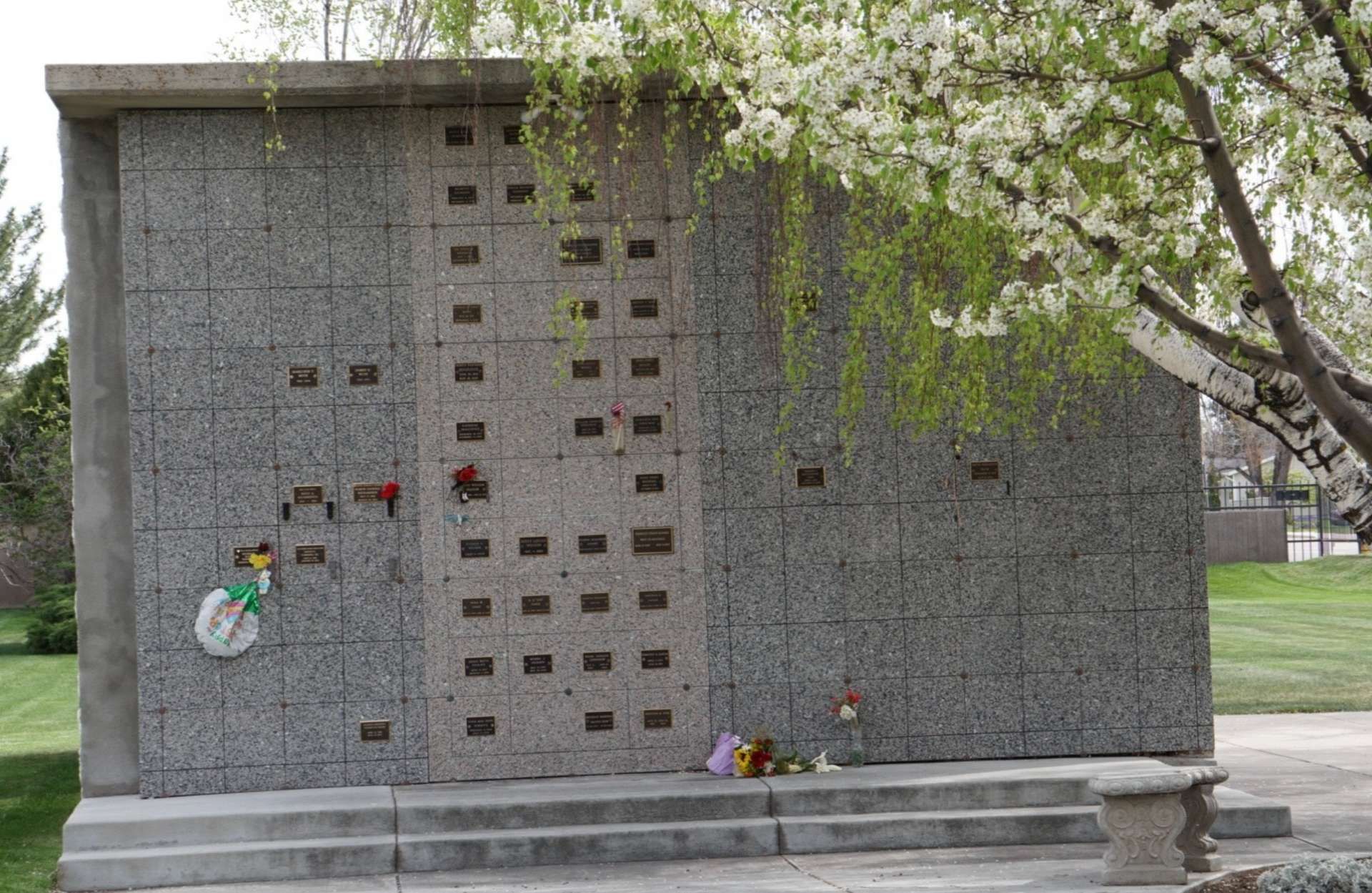
- Mausoleum spaces
- Burial niches
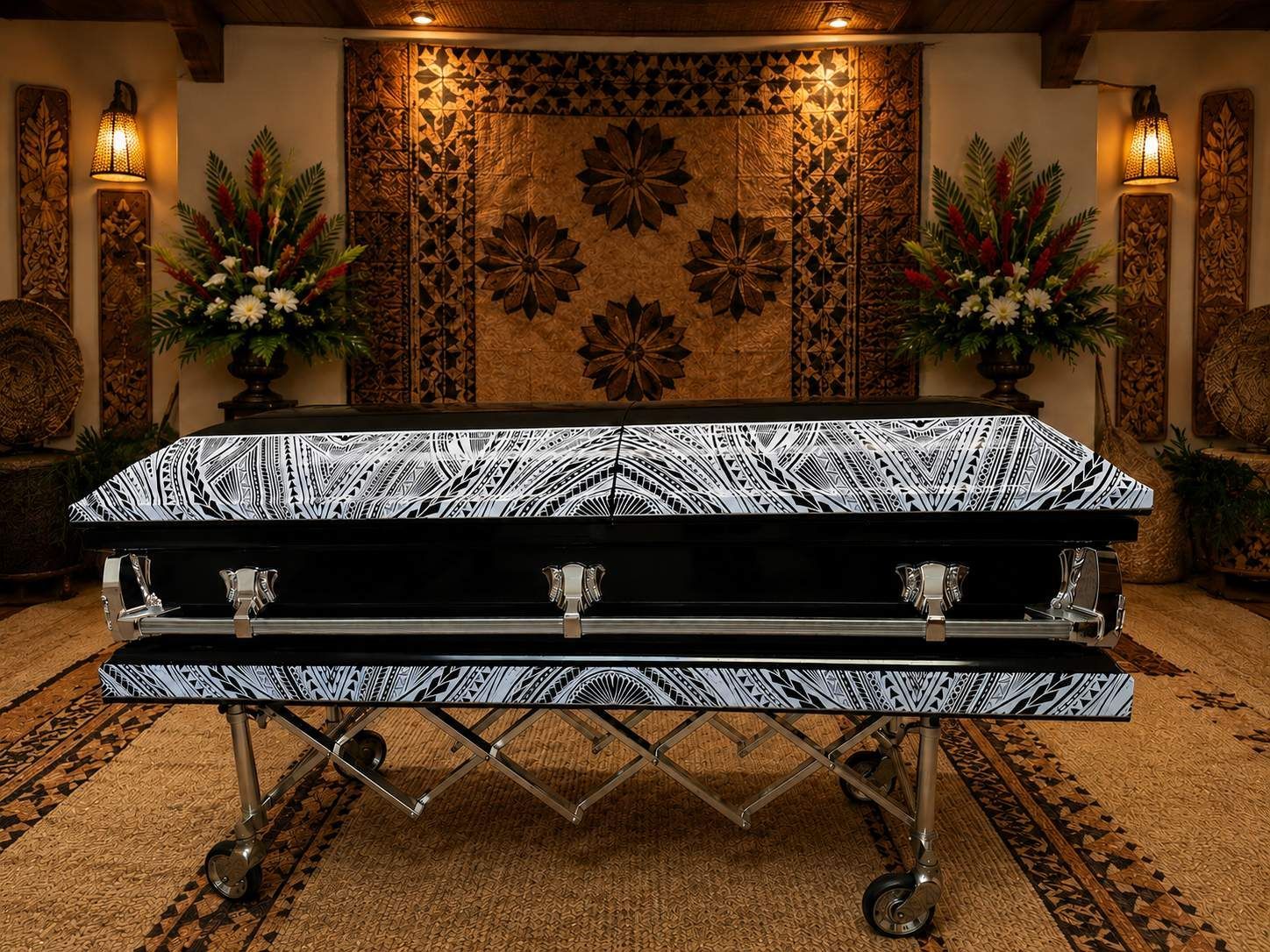
- Caskets
- Cremation urns
- Burial vaults or outer burial containers
- Headstones, markers, or monuments
- Opening and closing fees when connected to the burial space arrangement
To qualify for the burial space exclusion, these items generally must be fully paid and properly documented. Utah policy also limits duplicate items serving the same purpose for the same person. For example, families should be careful about assuming that both a casket and an urn for the same person would both be excluded under the burial space rules.
Funeral Planning Is Not the Same as Medicaid Paying for a Funeral
It is important to understand that Medicaid does not simply “pay for the funeral” in the way families might expect. Instead, Medicaid rules may allow certain funeral and burial arrangements to be made in advance without those properly structured resources being counted the same as ordinary savings.
In other words, funeral planning may help a family set aside funds for future funeral, cremation, burial, or cemetery-related expenses while also working through Medicaid eligibility rules. The arrangement must be done correctly.
Common Mistakes Families Should Avoid
Families should avoid these common mistakes:
- Giving money away to children or relatives without legal advice
- Assuming all prepaid funeral money is automatically exempt
- Using a revocable arrangement when Medicaid planning requires an irrevocable one
- Failing to itemize funeral goods and services in a preneed contract
- Leaving extra cash in a contract that is not tied to specific goods or services
- Assuming burial funds, burial trusts, burial spaces, and preneed funeral contracts are all treated the same
- Waiting until a Medicaid application deadline is urgent before asking questions
Because Medicaid rules are detailed and individual circumstances vary, families should confirm their plan with a qualified Medicaid or elder law professional.