

What to Bring: Funeral Arrangement Checklist
A funeral arrangement meeting checklist helps Utah families gather identification, vital records, insurance details, cemetery information, and personal preferences before meeting with a funeral home. Bringing these items to a funeral arrangement meeting can make decisions clearer, reduce stress, and help your family plan a meaningful service in Provo, Orem, Springville, or elsewhere in Utah County.
What should you bring to a funeral arrangement meeting?
You do not need to have every detail prepared before meeting with Berg Mortuary. Funeral directors can explain your options, answer questions, and help you locate missing information. If the death was recent, bring whatever is readily available and ask for guidance on the rest.
Use this core list as your starting point:
- Government-issued identification for the person who died and the person making arrangements
- Social Security number, birth certificate, marriage certificate, and military discharge papers, if applicable
- Insurance policies, prepaid funeral contracts, or information about employer benefits
- Cemetery deed, burial permit, or cremation authorization, if already arranged
- Names and contact information for immediate family members
Which personal information is needed?
Accurate personal information is important for the death certificate, obituary, permits, cemetery records, and other official documents. Write down what you know before the meeting, but do not delay arrangements if some details are uncertain.
Bring or prepare:
- Full legal name, including any former names or nicknames
- Date and place of birth
- Date, time, and place of death
- Social Security number
- Current address and recent addresses, if relevant
- Marital status and spouse’s or partner’s full name
- Parents’ full names, including the mother’s maiden name
- Names of children, siblings, and other close relatives
- Employment history, education, military service, memberships, and honors
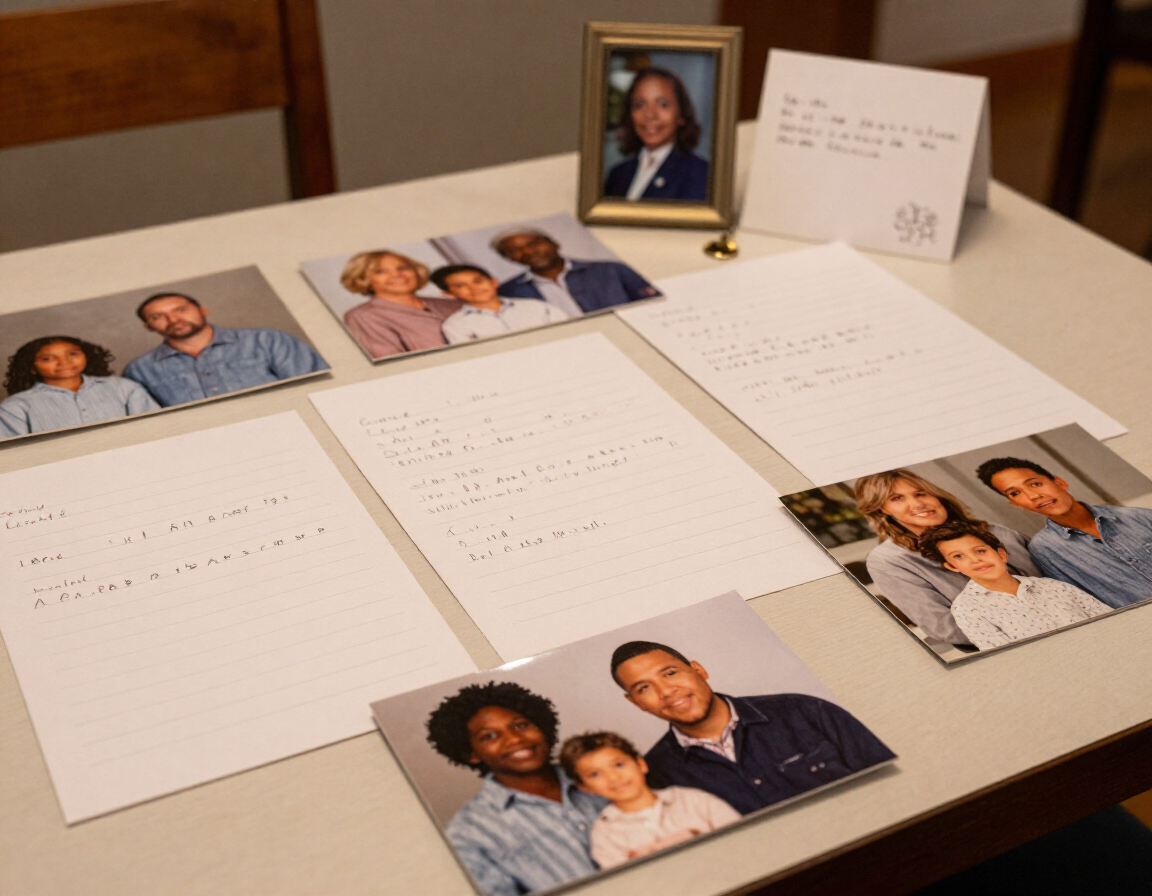
For an obituary, consider gathering a recent photograph, a short biography, meaningful accomplishments, and details about surviving family members. Berg Mortuary can also help families understand what information is appropriate to share publicly.
What documents should you bring?
Documents help the funeral home complete legal requirements and coordinate benefits. Originals are useful when available, but copies, photographs, or digital records may help begin the process.
Essential documents
- Driver license, passport, or other government identification
- Birth certificate
- Marriage or divorce records
- Social Security card or number
- Military discharge papers, especially DD-214
- Trust, will, or other instructions relating to final arrangements
- Organ donation or advance-directive information
- Cemetery or mausoleum contract
- Existing funeral or cremation agreement
If you are unsure whether a document matters, bring it or ask about it. A funeral director can explain which records are required and which are simply helpful.
What insurance and payment information is useful?
Bring life insurance policies, policy numbers, the insurer’s contact information, and the beneficiary’s name. Also bring information about employer-sponsored life insurance, union benefits, veterans’ benefits, or other assistance programs.
Helpful financial information may include:
- Life insurance policies and claim forms
- Prepaid funeral plans
- Employer or union benefit information
- Veterans’ discharge papers and service records
- The name and contact information of the estate representative
- Questions about payment schedules, financing, or available service options
Berg Mortuary can help families review applicable veterans benefits and Social Security benefits . These programs have specific eligibility and application requirements, so bring any related correspondence you have received.
What should you bring if cemetery property already exists?
If a cemetery plot, niche, vault, or mausoleum space has already been purchased, bring the contract or deed. The cemetery’s name, section, lot, grave, and owner information can help the funeral home coordinate arrangements.
If you do not yet have cemetery property, you can review local options through the Utah County Cemetery Directory . Consider whether your family prefers traditional burial, cremation with an urn placement, a memorial service, or another meaningful arrangement.
Also ask whether the cemetery requires a vault, liner, outer container, opening-and-closing fee, grave marker approval, or specific scheduling procedures. Requirements vary by cemetery and type of interment.
Which family decisions should you discuss beforehand?
Families do not need to agree on every detail before the meeting, but identifying the decision-makers can make the conversation smoother. If possible, include the person legally authorized to make arrangements and anyone who will help with financial or service decisions.
Discuss these preferences:
- Burial, cremation, or leaving the choice open while you learn more
- Religious, cultural, military, or family traditions
- Location and type of service
- Visitation, funeral, graveside, or memorial service preferences
- People who may speak, officiate, sing, read, or participate
- Music, readings, photographs, flowers, or charitable donations
- Whether the service should be private, public, or livestreamed
Personalization does not require an elaborate event. A favorite song, treasured photograph, family story, or familiar gathering place can make a service feel genuine and connected to the person who died.
What happens during a funeral arrangement meeting?
A funeral arrangement meeting usually includes a conversation about the person who died, legal paperwork, disposition, service preferences, merchandise or cemetery needs, scheduling, and costs. The funeral director should explain choices clearly and give you time to ask questions.
You may discuss:
- Transportation and care of the person who died
- Burial or cremation arrangements
- Death certificates and permits
- Service dates, locations, and participants
- Casket, urn, vault, flowers, stationery, or other selected items
- Cemetery coordination and marker options
- Estimated costs and payment arrangements
You can review Berg Mortuary’s service offerings , burial options , and cremation services before or after the meeting. Reviewing information in advance may help you identify questions, but you are never required to make every choice immediately.
Questions to ask the funeral director
Bring a written list so you do not have to rely on memory. Consider asking:
- Which decisions must be made today, and which can wait?
- What paperwork will you complete on our behalf?
- How many certified death certificates should we order?
- What is included in the estimated price?
- Are there required cemetery, crematory, or third-party fees?
- What payment options and deadlines apply?
- How can we personalize the service within our budget?
- What support is available after the funeral?
For additional answers, visit Berg Mortuary’s frequent questions or contact the funeral home before your appointment.
Printable funeral arrangement meeting checklist
Save or print this abbreviated checklist:
- [ ] Identification and personal information
- [ ] Birth, marriage, military, and insurance documents
- [ ] Social Security number and benefit information
- [ ] Cemetery deed, plot, niche, or contract
- [ ] Will, trust, advance directive, or pre-arrangement paperwork
- [ ] Recent photograph and obituary information
- [ ] Names and contact information for family members
- [ ] Burial, cremation, and service preferences
- [ ] Questions about costs, timing, paperwork, and aftercare
Frequently asked questions
Do I need all documents before meeting a funeral home?
No. Bring what you have, and tell the funeral director which documents are missing. The funeral home can explain what is required, what can be requested, and what deadlines may apply.
Who should attend the arrangement meeting?
The legally authorized decision-maker should attend whenever possible. A trusted relative, friend, clergy member, or advisor may also attend for support and note-taking.
Can funeral arrangements be changed after the meeting?
Many details can be revised before services occur, although timing, availability, contracts, and third-party requirements may affect changes. Ask which decisions are flexible and whether fees apply.
How soon should we meet with a funeral director in Utah?
Contact a funeral home as soon as practical after a death. Berg Mortuary can explain immediate next steps through its When a Death Occurs resource and help coordinate care.
A calmer way to begin planning
The most important thing to bring to a funeral arrangement meeting is the information you have—and the questions you need answered. Identification, insurance, cemetery records, family preferences, and personal details provide a useful foundation, but no family is expected to know every requirement in advance. Use this checklist to prepare at your own pace, then speak with a trusted funeral director about your choices, costs, and next steps. Berg Mortuary serves families in Provo, Orem, Springville, and throughout Utah County with compassionate guidance and respectful care.