



How to Talk to Aging Parents About Funeral Planning

Berg Mortuary • November 10, 2026

Share this article

Add your custom HTML here

Talking with aging parents about funeral planning can feel uncomfortable, but it gives families clarity, reduces stress, and honors personal wishes. Begin with compassion rather than urgency. Ask about preferred funeral, burial, or cremation arrangements, important traditions, cemetery details, and whether prepaid planning may provide greater peace of mind.

Family discussing funeral planning with aging parents

Why should families talk about funeral planning early?

Funeral planning is easier when everyone has time to think, ask questions, and make decisions without the pressure of an immediate loss. A calm conversation can help adult children understand what matters most to their parents while their parents can clearly explain their wishes.

Planning ahead may also:

  • Reduce uncertainty for family members
  • Make costs and payment options easier to understand
  • Preserve religious, cultural, military, or personal traditions
  • Prevent disagreements among siblings or relatives
  • Give parents more control over their final arrangements

For families in Provo, Orem, Springville, and throughout Utah County, local guidance can make the process more practical. Berg Mortuary helps families consider options with clarity and respect, whether they are exploring funeral service offerings , burial services , or cremation services .

How do you start the conversation with aging parents?

Choose a quiet, private time when no one is rushing. Avoid beginning the discussion during a crisis or immediately after someone has died. A gentle opening can make the subject feel less frightening:

Other conversation starters include:

  • “Have you ever attended a service that felt especially meaningful?”
  • “Are there traditions or readings you would want included?”
  • “What would you want us to know if we had to make decisions for you?”
  • “Would you prefer to plan everything in advance or simply record your wishes?”

Listen more than you speak. Your parents may need time to process the subject, and they may have different priorities from one another. If the conversation becomes emotional, pause and return to it later. The goal is understanding—not completing every decision in one sitting.

What are the seven important questions to ask?

Use these questions as a practical guide. You do not need to ask all seven at once.

1. Would you prefer burial, cremation, or another option?

Ask what type of disposition your parent prefers and why. Some people value a traditional burial, while others prefer cremation because of simplicity, portability, cost, or environmental considerations. Preferences may also be influenced by faith, family customs, or military service.

Berg Mortuary can explain the differences between available arrangements and help families compare meaningful options without pressure. Record the preference, but also ask whether your parent has flexibility if circumstances change.

2. What kind of service would feel meaningful?

A funeral or memorial service may be traditional, informal, religious, secular, private, or highly personalized. Ask about:

  • Location and preferred timing
  • Clergy, speakers, musicians, or celebrants
  • Special readings, photographs, flowers, or keepsakes
  • People your parent would want notified
  • Whether a reception or gathering should follow

A service can reflect a person’s personality and relationships. Consider reviewing funeral program ideas together for inspiration.

3. Do you already own a cemetery plot, niche, or burial space?

Cemetery ownership is an important detail that families sometimes overlook. Ask whether your parents have purchased a plot, mausoleum space, cremation niche, or other right of interment. Find the deed, contract, certificate, or cemetery contact information.

If the location is unknown, the Utah County Cemetery Directory may help families begin their search. Confirm whether the space is intended for one person or multiple family members and whether additional fees may apply for opening, closing, or placement.

4. Have you made financial or prepaid arrangements?

Ask whether your parents have a prepaid funeral plan, insurance policy, trust, savings account, or written price agreement. Locate the paperwork and learn which funeral home holds the plan, what it covers, and whether it can be transferred.

Prepaid plans can help manage future costs, but families should understand the terms before assuming every expense is covered. Berg Mortuary’s price list and Plan Ahead resources can support an informed conversation.

5. Who should make decisions if you cannot?

Discuss the person your parent trusts to communicate wishes and make arrangements. Legal authority may involve documents such as a health care directive, power of attorney, or other estate planning materials. Funeral decisions and medical decisions are not always governed by the same document, so professional legal advice may be appropriate.

Ask where important documents are stored and who else should know about them. Respect privacy while ensuring the designated decision-maker can locate the information when needed.

6. Are there veteran or military honors to include?

If your parent served in the military, ask about branch, rank, discharge papers, preferred honors, and organizations they would want contacted. Eligible veterans may qualify for certain benefits or military honors.

Families can review Berg Mortuary’s veterans benefits resources and gather documents before they are needed. This preparation can help ensure service and sacrifice are recognized appropriately.

7. What should family members know about your wishes?

Ask your parent how they want information shared and who should be involved. They may have preferences about obituary wording, charitable gifts, flowers, donations, visitation, social media, or the handling of personal items.

Invite them to write down anything they consider essential. A short document is valuable even if a complete plan is not finished.

Notebook with funeral planning checklist beside family documents

How should you document your parents’ wishes?

Write down clear preferences, names, contact information, and the location of related documents. Keep copies in a secure place and tell the appropriate family members where to find them. Do not rely only on memory or a conversation that was never recorded.

Useful information may include:

  • Preferred funeral home and cemetery
  • Burial or cremation preference
  • Service style, faith traditions, and key contacts
  • Prepaid plan, insurance, or cemetery documents
  • Veteran records and identification
  • Obituary, notification, and donation preferences

A pre-planning checklist can help organize these details. Review the information annually and after major changes such as a move, divorce, remarriage, death in the family, or change in financial circumstances.

What if your parents do not want to discuss funeral planning?

Respect their reluctance while keeping the door open. Some people associate funeral planning with fear, loss of control, or superstition. Do not argue or insist on finishing the discussion. Instead, explain that planning is meant to protect their choices and reduce the burden on the family.

You might say, “We do not have to decide anything today. I would simply like to know where to look for your important information.” Starting with document organization may feel less emotionally difficult than discussing the service itself.

You can also ask whether they would prefer to speak privately with a funeral professional. A compassionate conversation with Berg Mortuary may answer practical questions without requiring an immediate commitment.

Frequently asked questions about talking with parents

When is the best time to discuss funeral arrangements?

The best time is before a medical crisis, when your parents are able to think clearly and express their wishes. Choose a calm moment and revisit the discussion gradually.

Does discussing funeral planning mean something bad is about to happen?

No. Planning is a practical form of preparation. It allows people to communicate preferences while they are healthy and gives families useful guidance for the future.

Should adult children pay for a parent’s funeral plan?

Not necessarily. Families may consider personal savings, insurance, prepaid arrangements, or other resources. Review costs and responsibilities together, and ask questions before signing an agreement.

What if siblings disagree about the arrangements?

Use your parent’s written wishes and designated decision-maker as the starting point. Share information early and focus on honoring the parent’s preferences rather than competing opinions.

Can arrangements be changed later?

Many preferences can be updated as circumstances change. Contact the funeral home to understand what can be revised, transferred, or documented in a new plan.

A compassionate next step

Talking to aging parents about funeral planning is an act of care, not a prediction of loss. Begin with one gentle question, listen carefully, and record the answers about burial, cremation, services, cemetery ownership, prepaid plans, and decision-makers. Families in Utah County can use Berg Mortuary’s free planning guide and contact the mortuary for respectful, practical guidance. Start with the information your parents feel ready to share, then return to the conversation when everyone has had time to reflect.

Recent Posts

Funeral arrangement meeting checklist for Utah families
By Berg Mortuary • November 10, 2026
Use this Utah funeral arrangement meeting checklist to gather documents, insurance, cemetery details before meeting a funeral home in Provo, Orem

How to buy or sell a cemetery plot in Utah
By Berg Mortuary • November 6, 2026
Learn how to buy or sell a cemetery plot in Utah, estimate fair value, verify ownership, and transfer burial property safely. Includes Utah tips and FAQs.
What to do when someone dies in Utah
By Berg Mortuary • November 6, 2026
Learn what to do when someone dies in a hospital or nursing home in Utah, including transportation, paperwork, burial and cremation options in Utah County.

Two people holding hands in comfort during grief
By Berg Mortuary • August 19, 2026
Do you need to embalm in Utah? Explore Utah funeral laws, refrigeration alternatives, and costs for families in Provo, Orem, and Springville in 2026.

Utah Medicaid spend down rules
By Berg Mortuary • June 5, 2026
Learn how funeral planning may fit into Utah Medicaid spend down rules, including burial funds, preneed funeral contracts, burial items with Berg Mortuary.

Berg Mortuary Provo, Orem, Springville, Utah City, Lindon, Vinyard Utah
By Berg Mortuary • May 30, 2026
Looking for a funeral home near you in Utah County? Learn what to look for when choosing a funeral home in Provo, Orem, Springville, and surrounding areas.

Funeral director meeting with a family to discuss Medicaid spend down funeral planning
May 30, 2026
Learn how Provo and Orem families use Utah Medicaid spend down rules for preneed funeral contracts and burial items to protect assets and qualify for care.
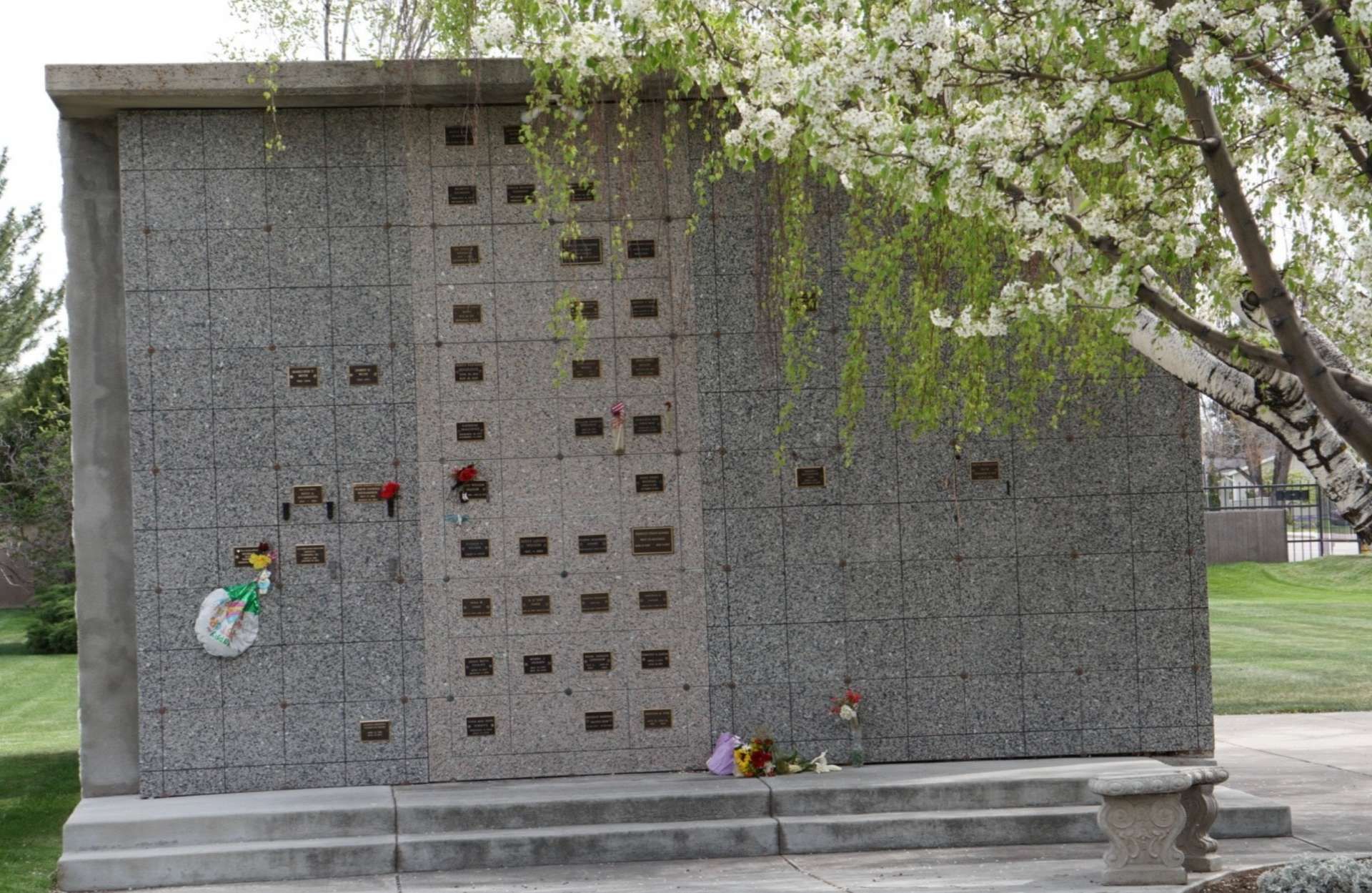
Granite columbarium niche wall for cremated remains at a Utah County cemetery
By Berg Mortuary • May 29, 2026
Explore your options for cremated remains in Utah. Learn about scattering laws, cemetery burial, columbarium niches, and memorial keepsakes for loved ones.

Casket draped in traditional tapa cloth at a Tongan and Samoan funeral in Utah County
By Berg Mortuary • May 13, 2026
Explore how Berg Mortuary provides Provo funeral services tailored to diverse cultural funeral traditions,Tongan and Samoan Funeral Traditions in Utah County

Young adult mourners holding flowers together at a funeral service
By Berg Mortuary • May 10, 2026
Learn how to manage family tension and difficult personalities during a funeral service in Provo, Orem, or Springville with expert tips from Berg Mortuary.

Show More